Graduate Students
Music & Multimedia Composition
-
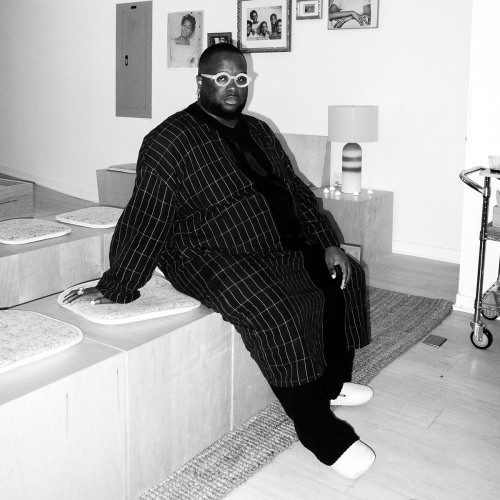
Abdu Ali
Abdu Mongo Ali is an electronic musician, poet, and cross-disciplinary artist. They have been a resident with Red Bull Music, Pioneer Works, and a visiting artist at the Brown Arts Institute. They have lectured at Harvard, Stanford, and Towson Universities, and they have forthcoming poetry in the Georgia Review, A folio of The Hopkins Review and BMORE Art. Ali was a recipient of the 2023 Mary Sawyers Baker Prize, is a 2023 USA Fellow, and was the Inaugural Alice and Franklin Cooley Composer in Residence at the Baltimore Museum of Art. Ali holds an MFA in Literary Arts from Brown University.
-
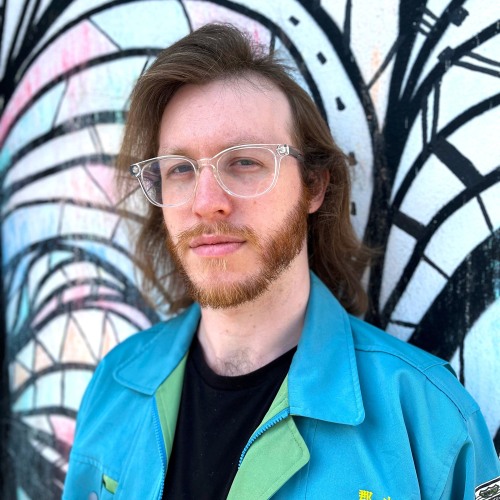
Isaac Barzso
Composer, improviser, and sound artist Isaac Barzso strives to explore the activity of placemaking and the transfer of data and methods of communication between different mediums, aiming to create music and multimedia art that exists in the space between. Heavily influenced by disparate aspects of pop culture, such as the textures of post-rock music and the structures of literature and film, his music often utilises techniques within computer-generated or computer-assisted composition to close the gap between acoustic and electronic media. Isaac’s work has been featured at venues such as the Darmstädter Ferienkurse, SEAMUS, NYC Electronic Music Festival, and ICMC. In 2023 he graduated with distinction (M.M.) from the Royal Conservatory of The Hague.
-

Nicholas Bentz
Nicholas Bentz (b. 1994 - Charleston, SC) is a composer, violinist, and multimedia artist whose work is drawn to remote fringes and recesses of experience. In his work he seeks to render intimately personal spaces imbued with an individual sense of storytelling and narrative. His art centers around the blurring, juxtaposition, and amalgamation of stylistic idioms into singular sonic statements. Nicholas's music has been performed by leading artists including International Contemporary Ensemble, Sandbox Percussion, Ensemble Dal Niente, HOCKET, Ligament Duo, and yMusic. Increasingly at home with the orchestra, his symphonic works have been played by Philadelphia Orchestra, Boston Modern Orchestra Project, Cabrillo Festival Orchestra, Charleston Symphony, and Suzhou Symphony, and featured at Lincoln Center, Musikverein Wien, Kennedy Center, and the Museum of Modern Art in Shanghai. Current projects include co-commissions from Ensemble Intercontemporain and Wigmore Hall, and multimedia projects with Flannau Duo and filmmaker Alex Atienza. Nicholas holds a BM in composition and violin and an MM in violin from the Peabody Institute, and an MM in composition from the University of Southern California.
-
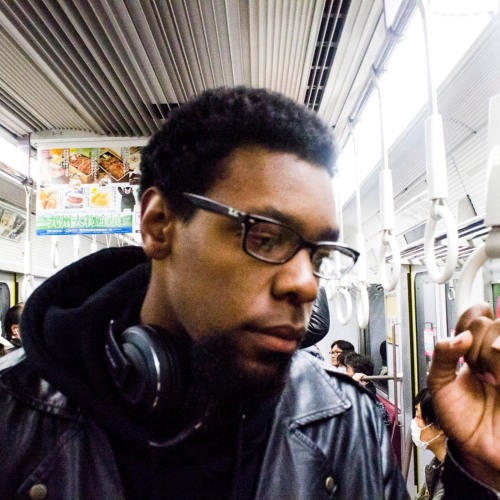
Kamari Carter
Kamari Carter (b. 1992; lives and works in NYC) is a producer, performer, sound designer, and installation artist primarily working with sound and found objects. Carter's practice circumvents materiality and familiarity through a variety of recording and amplification techniques to investigate notions such as space, systems of identity, oppression, control, and surveillance. Driven by the probative nature of perception and the concept of conversation and social science, he seeks to expand narrative structures through sonic stillness. Carter’s work has been exhibited at such venues as Automata Arts, MoMA, Mana Contemporary, Flux Factory, Fridman Gallery, Lenfest Center for the Arts, and Issue Project Room, to name a few. Carter holds a BFA in Music Technology from California Institute of the Arts and an MFA in Sound Art from Columbia University.
-
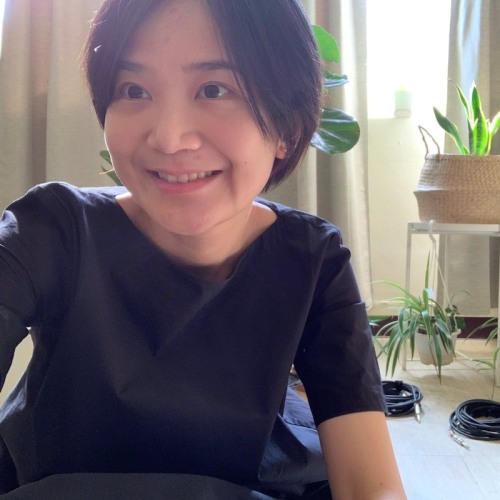
I-Lly Cheng
I-Lly Cheng explores the relationship between humans and nature through music, installation, electronics, multimedia, and space. With a background in instrumental performance, she developed a passion for human-sound interaction and has focused on creating interactive sound systems. She holds a M.M. in Composition from National Taiwan Normal University and in Live Electronics from the Conservatorium van Amsterdam.
I-Lly was a resident artist at Cité Internationale des Arts in Paris in 2014 and an artist-in-residence at the National Taichung Theater from 2021 to 2022. Her music has been performed at the International Rostrum of Composers, Gaudeamus Muziekweek, Internationales Musikinstitut Darmstadt, the ISCM World Music Days, and ICMC, among other venues.
-
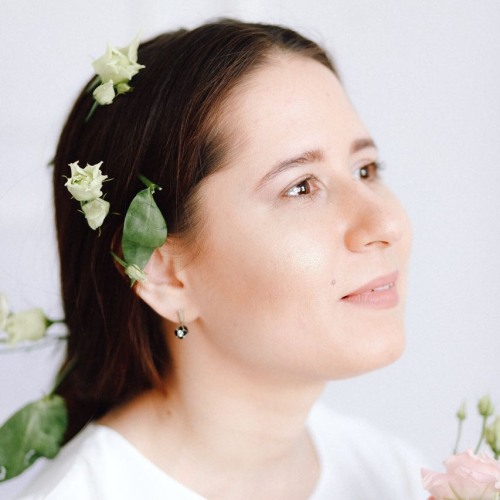
Adeliia Faizullina
Adeliia Faizullina is a Tatar composer, vocalist, and multi-instrumentalist. She explores cutting-edge vocal colors and creates vibrant atmospheres praised as "vast and varied, encompassing memory and imagination" (The Washington Post). Her works have been performed by Jennifer Koh, the Tesla Quartet, Orpheus Radio Symphony, Seattle Symphony, Albany Symphony, Ashley Bathgate, and the Del Sol Quartet. Adeliia holds a BM in Voice from Kazan, Russia, a BM in Composition from Gnessins Russian Academy of Music, and a MM in Composition from the University of Texas at Austin.
-

Han geul Lee
Born in South Korea, Han geul Lee draws from his visceral, performative experiences as a pianist while utilizing modern tools and techniques to create acousmatic, solo, and chamber works, as well as digital media installations.
From a grand prize awarded by the consulate general of the Republic of Korea in 2011 to winning the 2022 Harvard University Fromm Foundation CPI Fellowship, Han’s unique approach to the piano has earned him numerous awards and recognitions for his interpretations. Han’s instrumental and multimedia works have been presented internationally, having premiered his solo piano composition, ‘kitsugi, for the left hand’ at the historic Darmstädter Ferienkurse, as well as his 10.2 channel acousmatic piece ‘SUPERDENSITY-NOIR’ at the Mise-En Music Festival during the summer of 2023.
Since organizing and presenting the inaugural sound art installation at the Manhattan School of Music as a student, he has since been invited to present at academic institutions such as SUNY-Stony Brook, University of Nottingham(UK), and most recently at Northwestern University, where his virtual sensor-based musical interface, ‘monolith’ was premiered at the Ryan Center for Musical Arts. The interface was also used in ‘Newtown Odyssey’, A floating opera set on an industrial canal in NYC.
-
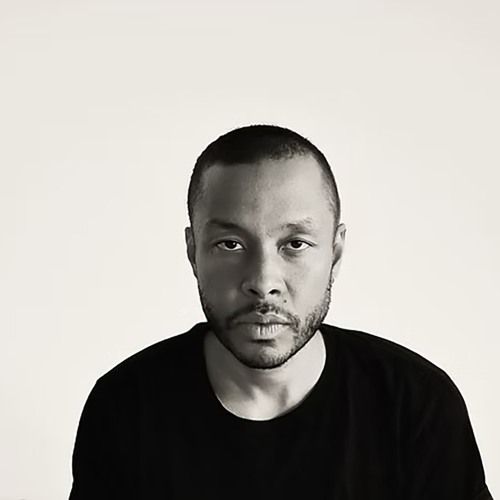
Will Johnson
Will Johnson is a multimedia artist and composer from New York City. Themes from his past work include black digital memory, phantom archives and the latent poetics of audio engineer speak. He is the recipient of the Jerome Foundation Fellowship for Sound Art and Composition and the McKnight Foundation’s Fellowship for Musicians. His commercial work includes licensed sound and original composition for Acura, GAP, Beats Electronics, HBO and vocal contributions to Grammy-winning best electronic album Skin. Live performances by Johnson have been commissioned by Lincoln Center, the Kitchen, 92Y and Mass MoCA.
-
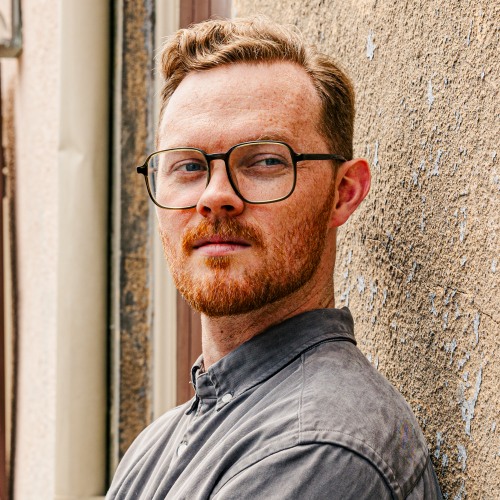
James May
James May (b. 1994, Pittsburgh, PA) is a composer, improviser, sound artist, and photographer. He’s interested in emergent listening and unstable sonic systems, building unfurling spaces in which performers and audiences can dwell. His creative practice comprises improvisation, field recording, experimental ensemble composition, spatial audio, installation, and interactive electronics.James was a 2024 Ucross Artist-in-Residence, and his work has been programmed and recognized by the Institute for Freshwater Fish Futures, Sound + Environment Symposium, International Computer Music Conference, MISE-EN Festival, Birdfoot Festival, Omaha Under the Radar, New Music on the Bayou, and the Institute for Choral Creativity. He's collaborated on performances and recordings with Ekmeles, Longleash, Re:Duo, Versipel New Music, Apply Triangle, Hypercube, Chamber Choir Ireland and Paul Hillier, Stephanie Lamprea, Will Yager, Jamie Monck, the San Francisco Choral Artists, and the University of Louisville Orchestra and Collegiate Chorale. James was one of 12 recipients of the 2018-19 U.S.–Ireland Alliance Scholarship, funding an MA in experimental sound practice at University College Cork, and previously studied at the University of Louisville and the College of Wooster. -
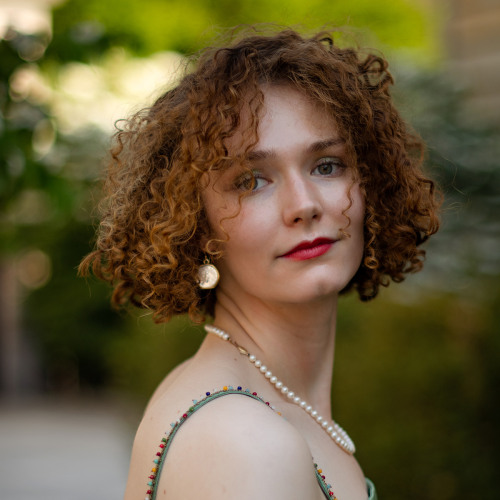
Maya Miro Johnson
Maya Miro Johnson is a composer-performer-director whose multidisciplinary work explores the visceral intersections of the social and physical body with illness, technology, movement, and storytelling. Trained in composition, dance, theater, classical violin, conducting, and multimedia, she graduated from the Curtis Institute (Miller Prize/Cassella Award) and the Yale School of Music (Payne Dean’s Prize, Fox Gibbs Memorial Prize, Laderman Prize, Startup Yale Creative Entrepreneurship Audience Choice Prize).
Her work has been presented across the world, from the Colorado River of southern Utah to Svalbard, Tokyo, Paris, and New York City by leading artists and ensembles such as Ensemble Intercontemporain, De Orkest Ereprijs, Saint Paul Chamber Orchestra, Sarasota Festival, Line Upon Line, loadbang, Tanglewood Festival, Cabrillo Festival Orchestra, Aspen Music Festival, Next Festival, members of Ensemble Moderne, soundSCAPE, Rock School of Ballet, Barnes Foundation, Moab Music Festival, Baltic Sea Festival, Beth Morrison Projects, Kronos Quartet, Lucerne Festival, Kajimoto, Arctic Chamber Orchestra, Minnesota Orchestra, CUNY Dance Initiative Residency, and Copland House.
Recent recognition includes a 2026 ASCAP Foundation Morton Gould Award and the 2026 Ellen Taaffe Zwilich Prize in the BMI Foundation Composer Awards. You can hear her work on the albums #What2020LooksLike, This is America, Manuscripts Don’t Burn, Hildegard and Her Sisters; a debut solo album with Catalan record label Protomaterial Records is forthcoming."
-

Sofía Rocha
Sofía Rocha writes music of uncompromising emotional intensity while exploring cognition, randomness, rhythm, and counterpoint in post-tonal frameworks. Recent projects include new works for the International Contemporary Ensemble, Emory University Symphony Orchestra and New York Youth Symphony. Sofía is a PhD student in Music and Multimedia Composition at Brown and received her master’s in composition at the University of Missouri-Kansas City, studying primarily with Yotam Haber and Chen Yi. She received her BA from Gettysburg College, studying with Avner Dorman.
-
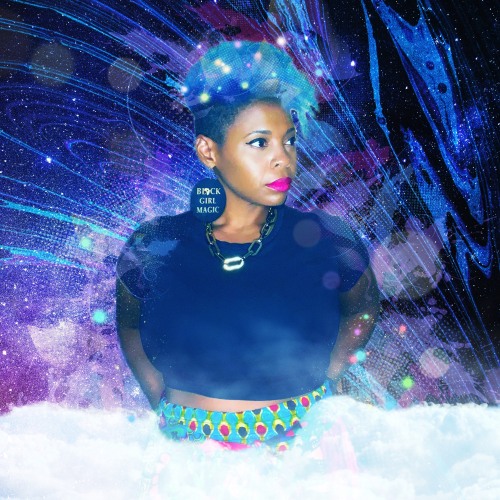
Queen Scott
Queen D. Scott is an unconventional hip-hop educator and MC with a mission to empower and inspire authenticity from the stage to the classroom. As an artist, Queen D. Scott deftly combines her classical background as a pianist, her fluency in technology and production, and her lifelong fascination with wordplay to immerse you in her lyrical and musical storytelling. As an educator, Scott roots her teaching in the examination of cultural context and social trends that challenges her students to investigate art beyond technique to expand their creative expression through deep understanding and integrity. Queen D. Scott’s talent and expertise have taken her around the world as a teaching artist giving master classes and workshops in hip-hop history and lyrical analysis, as well as R&B and hip-hop vocal performance. Currently, Scott serves as a professor in the Ensemble Department at Berklee College of Music and has recently released a hip-hop/soul version of the Black National Anthem, "Lift Every Voice,” that is available on all streaming platforms.
-
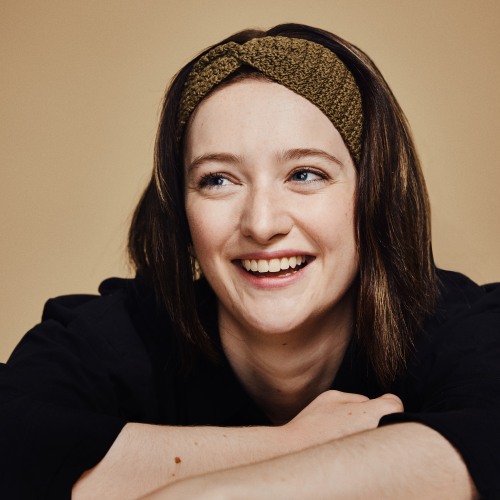
Jessica Shand
Jessica Shand is a performer-composer and researcher driven by the belief that music can expand our sensibilities. While her early love for dance eventually led her to pick up her primary instrument, the flute, her original solo and ensemble music now calls on an eclectic set of influences—from classical and jazz to electronic music and the avant-garde—to combine flutes, electronics, vocals, and more. She holds an M.S. in Media Arts and Sciences from the Massachusetts Institute of Technology (2024) and a B.A. in Mathematics and Music from Harvard University (2022).
-
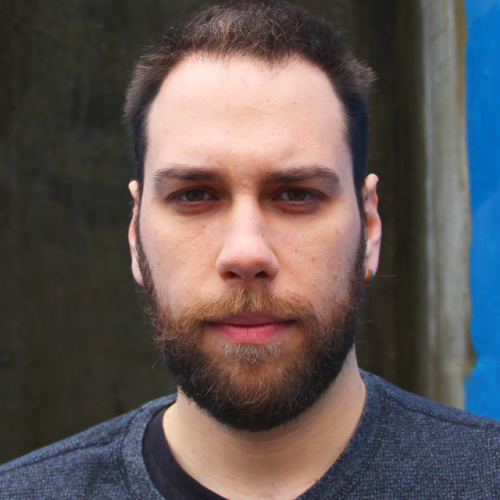
Jake Sokolov-Gonzalez
Jake Sokolov-Gonzalez is a multimedia artist working in live cinema, free improvisation, and installation. Rooted in sound, his work follows vibration as it transverses unruly personal and political histories. He is the recipient of a Presidential Fellowship from Brown University where he teaches transmedia composition at the intersection of practice and theory. He has appeared at the Museum of Modern Art, the Vision Festival, the Performa Biennial, Lincoln Center out of Doors, and the Wrong Biennial; collaborating with artists such as Tania Bruguera, Pauline Oliveros, William Parker, and Marina Rosenfeld.
Musicology & Ethnomusicology
-

Jake Blount
Jake Blount (pronounced: blunt) is a Ph.D. student in Musicology & Ethnomusicology at Brown University whose research focuses on African American music, critical theory, and Black speculative practice. An award-winning performer with records out on Smithsonian Folkways Recordings and Free Dirt Records, Blount has performed at venues including Carnegie Hall, Newport Folk Festival, and NPR’s Tiny Desk. His first scholarly article, "Jail the Zombie: Black Banjoists, Biopolitics and Archives," was recently published in Volume 7, Issue 2 of Modern American History (Cambridge University Press). His non-scholarly writing has appeared in Rolling Stone, NPR, Paste Magazine, and more. Blount is also pursuing an M.A. in Anthropology at Brown through the Open Graduate Education Program.
-
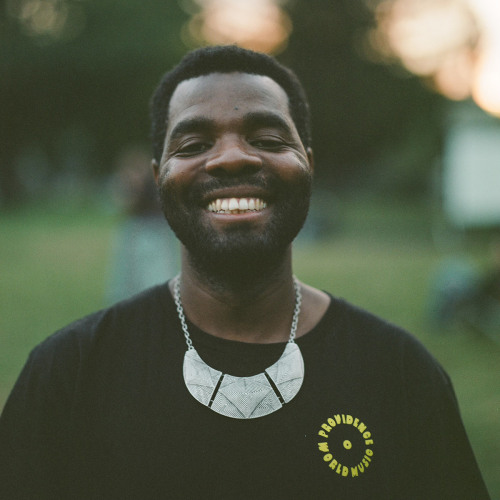
Chance Boas
Chance Kinyange Boas is a Ph.D. student in Musicology & Ethnomusicology at Brown University. His research focuses on how music and musical instruments in the Great Lakes Region of Africa carry memory, ecological knowledge, and identity across generations and diasporas, with a particular emphasis on the inanga trough zither.
He holds a master’s degree in ethnomusicology from Wesleyan University under the supervision of Eric Charry, Ph.D. His master’s thesis, entitled “The Spirit of Inanga Songs: Music, Memory and Continuity of a Burundian Tradition,” focuses on the inanga musical tradition of Burundi and the African Great Lakes region, investigating its history, craftsmanship, performance practice, refugee displacement, and contemporary revitalization. It was accompanied by a major gallery exhibition of African musical instruments and a field recording album of inanga music (forthcoming 2026).
In addition to his scholarly interests, Boas is the founder and executive director of PVD World Music, where he bridges academic research and public engagement through exhibitions, concerts, archives, and cultural preservation initiatives that expand access to African musical heritage. Boas was born and raised in Tanzania and holds a B.A. in Accounting from Bryant University.
-
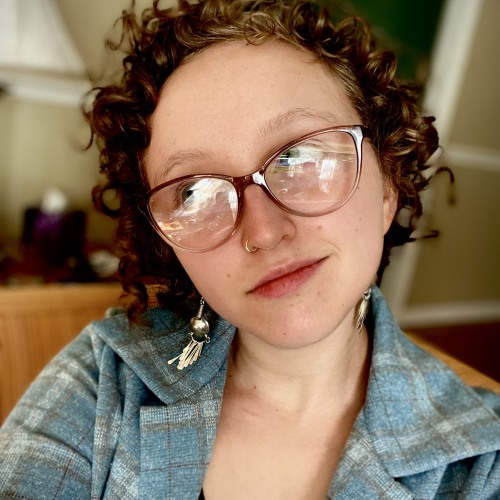
Ruby Erickson
Ruby Erickson is a Ph.D. student at Brown University in the Department of Music. Her scholarly interests include music, migration, and diaspora; musics of the Black Atlantic; economic ethnomusicology; voice studies; and engaged research methods. Her current research centers on the music-making communities of Cape Verdean Americans in New England, and includes a collaborative podcasting project, Sounds from the Eleventh Star. You can learn more about Ruby at her personal website.
-
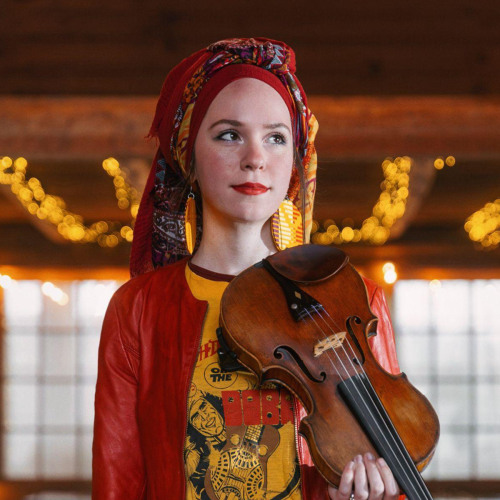
Sofía Fresco
Sofía Fresco (formerly Chiarandini) is a PhD student specializing in American and Jewish musical traditions. A fiddler and vocalist, she performs with the Jewish bluegrass band Jacob's Ladder and has appeared at concerts, residencies, and festivals throughout the United States and Canada. She is the recipient of the FreshGrass Fiddle Award (2021) and the Fletcher Bright Award (2018), and has collaborated on and recorded more than a dozen studio albums.
Sofía earned a Bachelor of Music from Berklee College of Music in 2020 and a Master of Arts in Ethnomusicology from Tufts University in 2026, where she completed her thesis, The Wildness of New York Bluegrass of the 1970s. In 2026 she received the Neil Rosenberg Bluegrass Scholar Award through the IBMA Foundation. Her research explores bluegrass, American folk music, humor, performance, and musical communities.
Alongside her scholarly work, Sofía is an experienced teacher who has completed registered Suzuki teacher training. She leads workshops and maintains a private violin studio in Brookline, Massachusetts, where she enjoys helping musicians cultivate intentional approaches to performance and a deeper connection to musical traditions.
-
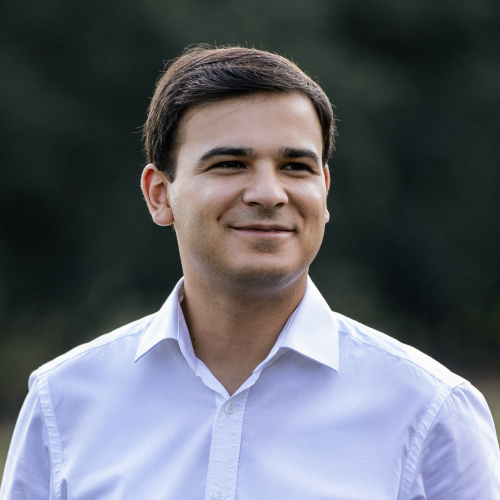
Mohammad Geldi Geldi Nejad
Mohammad Geldi holds an M.A. in Ethnomusicology from Wesleyan University. His M.A. thesis examined how Iranian Turkmens claim a distinct bardic performance style relative to the culture of Turkmenistan.
Born and raised in the northeast Iranian city of Gonbad-e Kavoos, Mohammad Geldi trained under Turkmen music masters from childhood and today is a renowned bard and dutar player. He performs and records as “Oghlan Bakhshi” (child bard), an honorary title bestowed upon him at age ten by a council of Turkmen musicians. He has performed Turkmen music at festivals and world music programs across Asia, the Middle East, Europe, and North America.
Prior to his studies in the US, Mohammad Geldi earned an M.A. from the Turkmen Conservatory of Music, along with a B.A. from the State Music College, both in Ashgabat, Turkmenistan. Along with his family, he oversees a center for education in Turkmen musical traditions in Gonbad-e Kavoos. Both his research and his professional performing career thus overarch the cultural and political divides between post-Soviet Turkmenistan and the Turkmen Sahra and North Khorasan regions of Iran.
His research focuses on the dutar and bardic performance in Iran and Turkmenistan, addressing themes of transmission, oral history, the relationship between borders and music, identity, sound, and voice studies.
-

Jordan Good
Jordan Good is a Ph.D. student in Musicology and Ethnomusicology at Brown University. Her research focuses on music and play, looking in particular at ludo-musical interfaces of instruments, toys, and games, as well as assumptions around "casual" gameplay or music-making. Her work intersects with fields such as ludomusicology, sound studies, and organology. She has presented various parts of her work at conferences including the annual meetings of the American Musicological Society and the North American Conference on Video Game Music. She has received a B.A. from NYU's Gallatin School of Individualized Study, as well as an M.A. in Musicology from Tufts University.
-
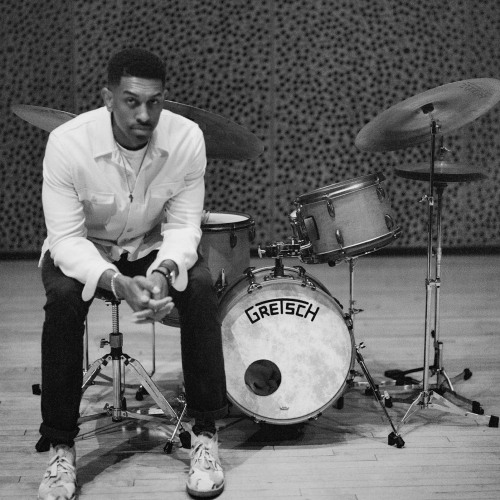
Marcus Grant
Marcus R. Grant is a professional drummer, percussionist, musicologist, and educator from West Chester, Pennsylvania. He is currently a PhD candidate in Musicology & Ethnomusicology at Brown University, with a secondary certificate in the Department of Africana Studies. Grant holds a B.M. in jazz performance from Temple University, an M.M. in jazz performance, an M.M. in musicology from the University of Miami (FL), and an M.A. in musicology and ethnomusicology from Brown University. As a scholar, he focuses his research on 2020 Black Lives Matter protest music and hip-hop, and the intersections of musical protest and digital culture. Other research interests include jazz studies and music of the Black church.
As a musician, Grant has performed at Carnegie Hall, The Kennedy Center, NPR’s Tiny Desk, the Newport Jazz Festival, Dizzy’s Club at Jazz at Lincoln Center, and many other national and international stages. He has performed with Victor Goines, Nicole Henry, Derrick Hodge, Robert Glasper, Lalah Hathaway, Bilal, De La Soul, and he is a member of the Robert Glasper Black Radio Orchestra and the Derrick Hodge Color of Noize Orchestra.
Grant is currently completing his doctoral studies at Brown University and working as an adjunct professor at Salve Regina University in Newport, Rhode Island, and Boston College in Boston, Massachusetts. -
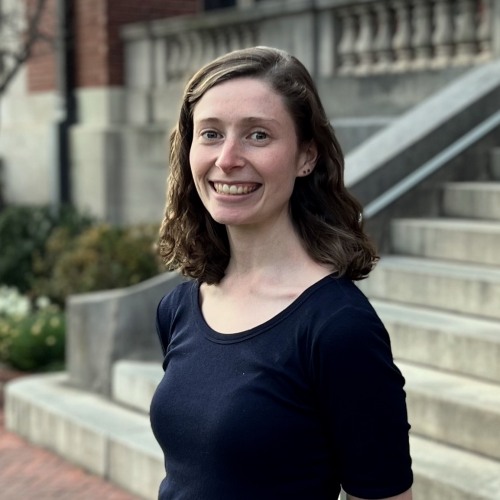
Devanney Haruta
Devanney Haruta is a Ph.D. candidate in Musicology & Ethnomusicology, with research interests in organology (musical instruments), materiality, and sound and sensory studies. Her dissertation examines the relationships that humans form with musical instruments, and the ways that makers, performers, technicians, and museum curators care for, value, and conceptualize musical instruments. Her interactive art installation outside the Orwig Music Building, titled Piano (de)composition, has been featured in national and international press, including the NBC Nightly News. Devanney’s research has been supported by a Brown Research Mobility Fellowship and by multiple Joukowsky Awards, and she is a recipient of the William E. Gribbon Award and the Frederick R. Selch Award, both granted by the American Musical Instrument Society. Her work has been published in the Journal of the North American Japanese Garden Association, and she has an article forthcoming in Ethnomusicology.
-
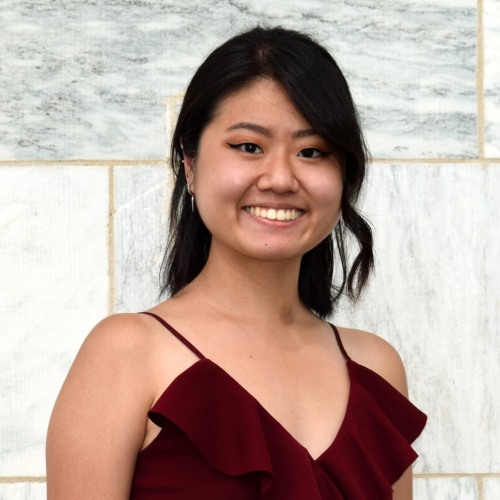
Annie Kim
Annie is a Ph.D. candidate in Musicology & Ethnomusicology at Brown University. Her research sits at the cross-disciplinary intersections of voice, sound, and performance studies, with a particular attention to issues of race, gender, materiality, and technological mediation. Annie holds an M.A. in Music from Tufts University, where she completed a thesis titled, “Voice, Embodiment, Becoming: Camilla Williams’s Performances and Negotiations of Black Female Subjectivity from Butterfly to Bess.”
-
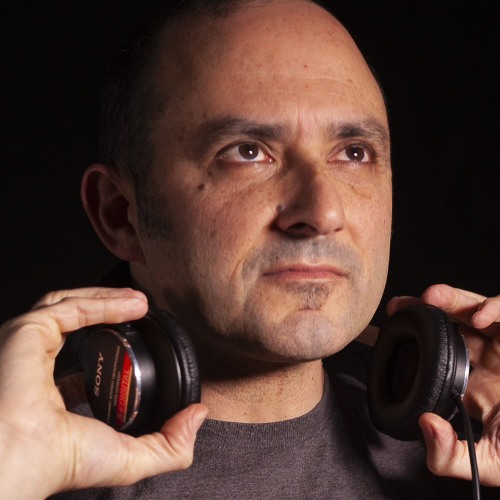
Ravi Krishnaswami
Ravi Krishnaswami is a PHD candidate in Musicology/Ethnomusicology at Brown University. His research focuses on the rise of generative AI music platforms, their epistemologies, and their impact on music labor. He also writes about the South Asian roots of rock music, and music for advertising. He was the Valentine Visiting Assistant Professor of Music at Amherst College from 2023-2025. Beyond his scholarship, he is a composer and sound-designer for advertising, television, and games. His music has appeared in Super Bowl commercials and hit video games such as Fallout. He is the founding guitarist in The Smiths Tribute NYC and has also premiered concert works for sitar, violin and percussion/live processing.
-
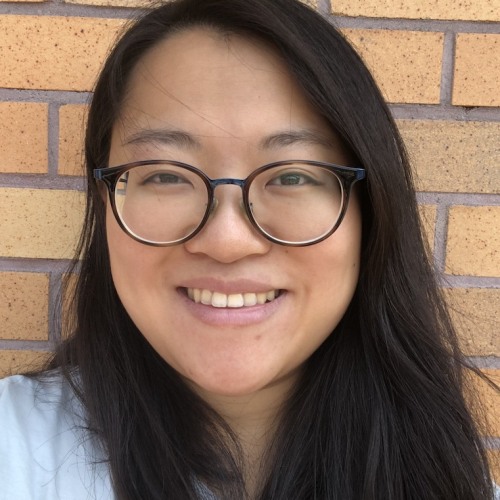
Shirley Mak
Shirley Mak is a Musicology/Ethnomusicology Ph.D. candidate at Brown University. Her dissertation research focuses on intercultural collaborative music making within the Silkroad Ensemble and Global Musician Workshop. Her interests also include issues of music and identity, the impact of globalization on music (including the diasporic and transnational in music studies, and world music), and the inclusion of postcolonial theories and global discourses in Western classical music pedagogy. She received her M.A. in Musicology from the University of Amsterdam, and her B.A. in Music from Queens College, CUNY.
-
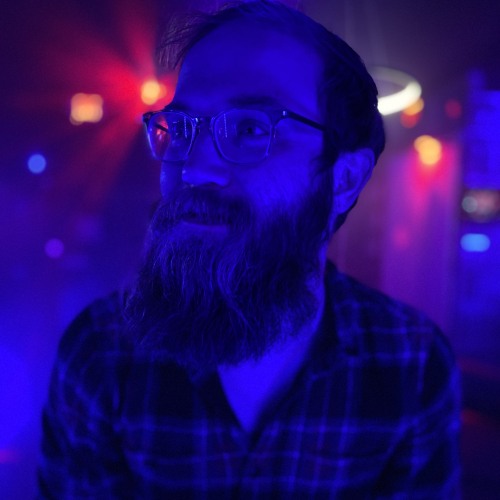
Christopher Newman
Christopher Newman is a Ph.D. student in the Musicology and Ethnomusicology program at Brown University. He is especially interested in the roles of music and sound in systems of inequality and, particularly, their intersections with race, class, and gender. His research is often applied in nature and is fueled by activism and a desire for social justice. Thematically and geographically, his research encompasses sound studies, folklore, anthropology, public humanities, Central America, Appalachia, Black American music, immigration, tourism, and timbre among others. His writing has been selected for presentation at SEM-SEC 2020 and the inaugural String Band Summit 2022. Christopher holds a BA with honors and a double concentration in Anthropology and Music and Culture from the University of Tennessee, Knoxville. He also composes and performs on the guitar, banjo, and electric bass.
-

Wang Shuang
Shuang has been trained and worked as an ethnomusicologist, music archivist, and pipa player. Her recent research focuses on the perception and representation of 20th-century Chinese music via recordings. As a PhD student of Musicology and Ethnomusicology at Brown, she is also very excited to be able to explore other aspects of the music aesthetics-technology relationship. Her works have been presented at ARSC, Chapter meetings of SEM and AMS, and published through SEM Student News, Beijing Music Festival, and Yin Yue Tian Di (in Chinese). She holds an M.M. in Musicology from Johns Hopkins’ Peabody Institute and a B.A. from the China Conservatory of Music.
-
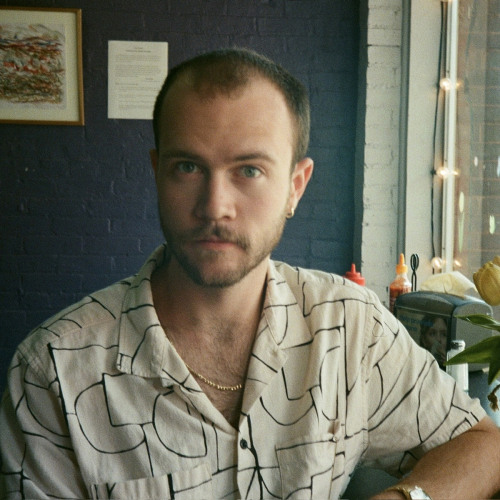
Nate Steele
Nate Steele is a Ph.D. student in Musicology and Ethnomusicology at Brown University. His scholarly interests include organology, critical theory, museum studies, and intellectual history. Born and raised in Western Mass, Nate has a particular fascination with early New England lutherie, specifically the American bass viol.
Nate earned his undergraduate degree at Harvard, concentrating in Social Studies, and writing his senior thesis on the work of Theodor Adorno. He then spent several years working in museums–recently finishing three years at the Musical Instrument Collection of the Museum of Fine Arts, Boston.
Alongside his academic pursuits, Nate is also a cellist, and performs regularly with groups such as the Boston Philharmonic and the Apollo Ensemble. In his spare time, Nate enjoys working on instruments as an amateur luthier, and is an avid canoer.
-
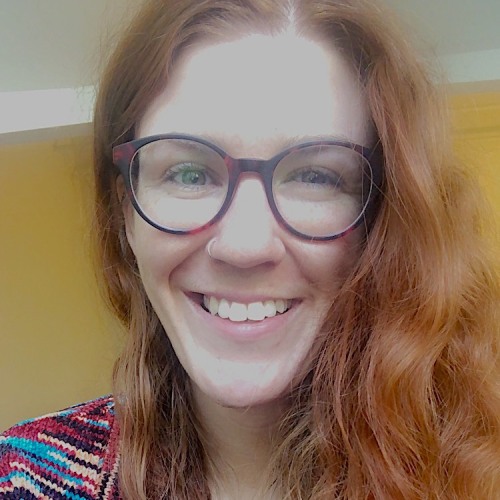
Anna Wright
Before joining the PhD in Musicology and Ethnomusicology program at Brown, Anna studied at the University of British Columbia, where she earned a Master of Music in saxophone performance and a Master of Arts in ethnomusicology. Originally from Scotland, Anna focusses on Scottish traditional music and is particularly interested in ways music is utilized to encourage mass agency under political, nationalistic, or dissent-driven circumstances.
-
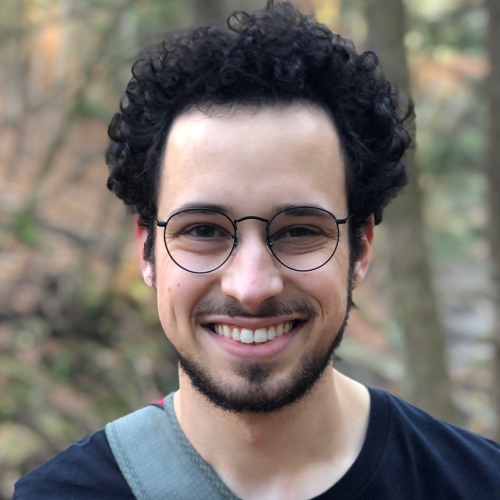
Gabriel Zuckerberg
Gabriel is a strings- and keys-musician from New York, and he studied with Theodore Levin at Dartmouth College. Since 2018, Gabriel has been pursuing a preservation and music analysis project with the Romaniote communities in Greece and Manhattan and, since 2020, a preservation-analysis collaboration with Aniruddh Patel. A klezmer musician and aspiring Yiddishist, Gabriel is interested in musics of the Jewish diaspora. He’s now starting ethnographic work with LGBTQ+ klezmer and Yiddish musicians. At Brown, Gabriel is interested in exploring how aesthetics are tied to social identity, intersections of music and language, and musical hallucinations.